- 0 comments0
- 88 views
By admin
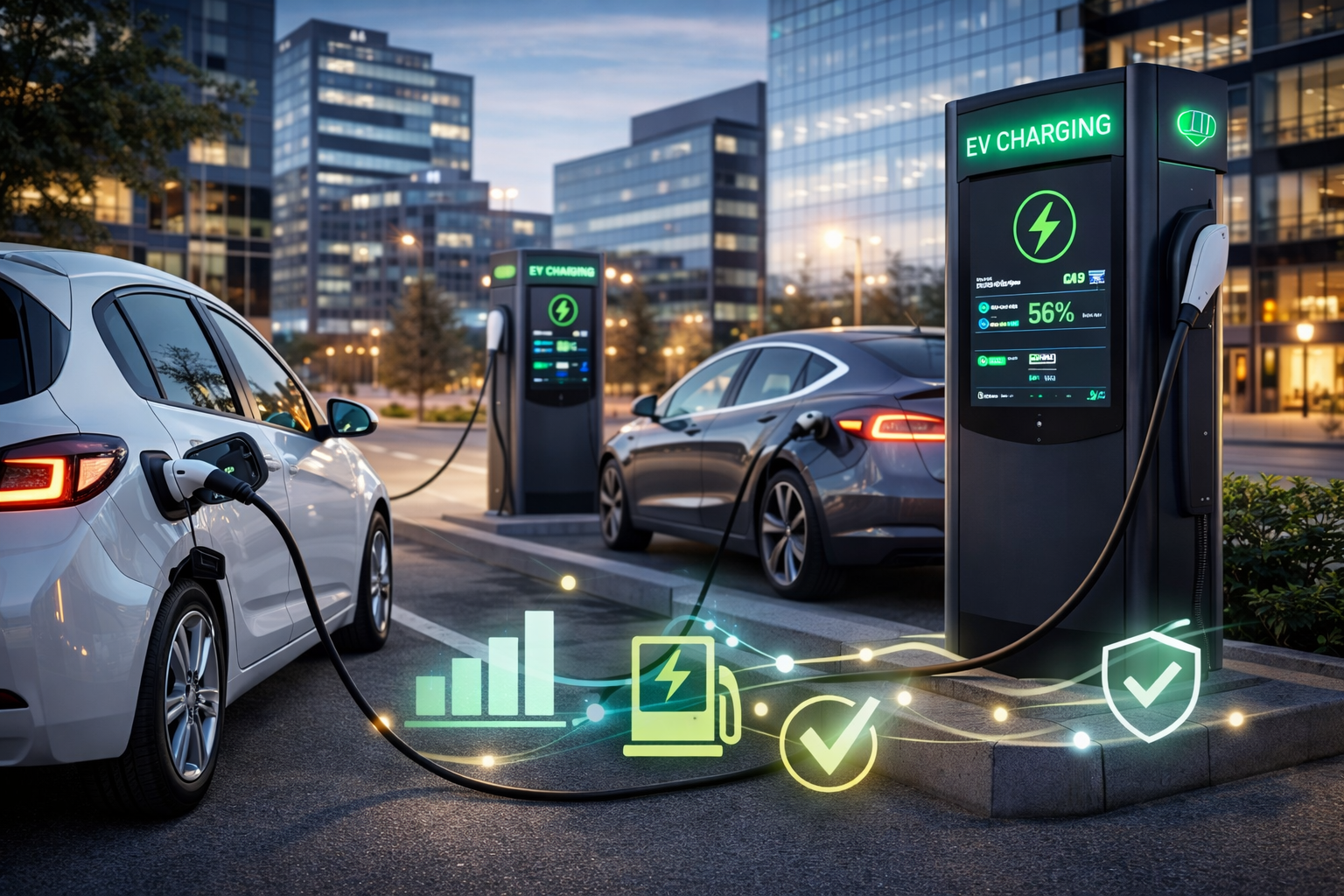
As electric vehicle adoption accelerates, regulatory bodies and energy authorities continue to issue guidance to ensure EV charging infrastructure develops safely, efficiently, and fairly. Recent staff bulletins focused on EV charging highlight key priorities for network operators, site hosts, and technology providers as the market matures.
These updates aim to balance innovation with consumer protection, grid stability, and long-term sustainability, ensuring that EV charging supports broader energy and transport objectives.
Key Focus Areas in EV Charging Guidance
Regulatory guidance increasingly emphasises the importance of transparent pricing, reliable service, and fair access to charging infrastructure. Operators are expected to provide clear information on tariffs, session costs, and payment options, helping drivers make informed charging decisions.
Another major focus is interoperability. Open standards, roaming capabilities, and consistent user experiences across different networks are becoming essential requirements as charging ecosystems expand.
Grid Integration and Smart Charging
Staff bulletins also underline the growing role of smart charging technologies. Load management, time-based pricing, and demand response capabilities help reduce strain on electricity networks while encouraging charging during off-peak periods.
By integrating smart monitoring and control systems, charging operators can support grid resilience while improving operational efficiency and reducing long-term infrastructure costs.
Safety, Reliability, and Maintenance
Safety remains a core priority in EV charging regulation. Guidance often highlights the need for regular inspections, preventative maintenance, and rapid fault response to ensure chargers remain safe and available.
Reliable operation not only protects users but also builds public confidence in EV charging networks, supporting continued adoption of electric vehicles.
Data, Reporting, and Consumer Protection
Modern EV charging systems generate significant operational and usage data. Regulatory updates encourage responsible data handling, accurate reporting, and compliance with privacy requirements.
Transparent reporting helps regulators assess network performance, identify gaps in coverage, and plan future infrastructure investment more effectively.

What This Means for Charging Operators
For charging network operators and site owners, these bulletins reinforce the importance of investing in scalable platforms, smart technology, and robust operational processes. Aligning with regulatory guidance early reduces risk, improves service quality, and positions operators for long-term growth.
As EV charging continues to evolve, proactive compliance and collaboration with regulators will be key to delivering reliable, accessible, and future-ready charging infrastructure.
Related articles and news
 Cars Rental
 How to Choose Eco-Friendly and Electric Car Rentals for Smarter Travel
Eco-friendly and electric vehicle (EV) rentals are becoming an increasingly popular choice for travellers who want flexibility without compromising on …
Read more Cars Rental
 How to Book an Eco-Friendly or Electric Rental Car?
Booking an eco-friendly or electric rental car is a simple way to travel more sustainably while enjoying flexibility and convenience. With more rental …
Read more